
November 16, 2026
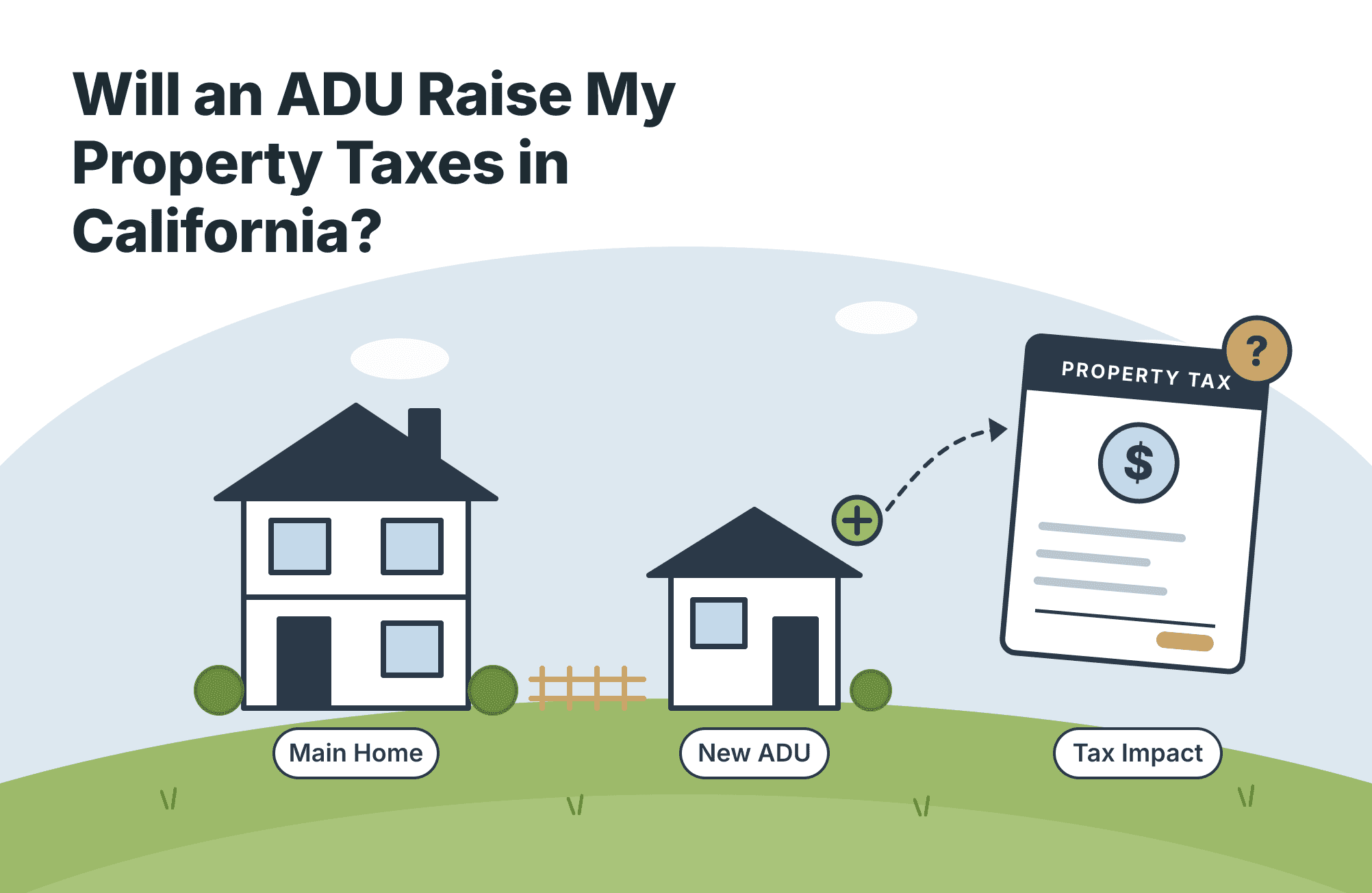
Will an ADU Raise My Property Taxes in California?
Adding an ADU in California generally increases property taxes, but doesn't usually trigger a full reassessment. Here's the mechanism and a hypothetical.
Read more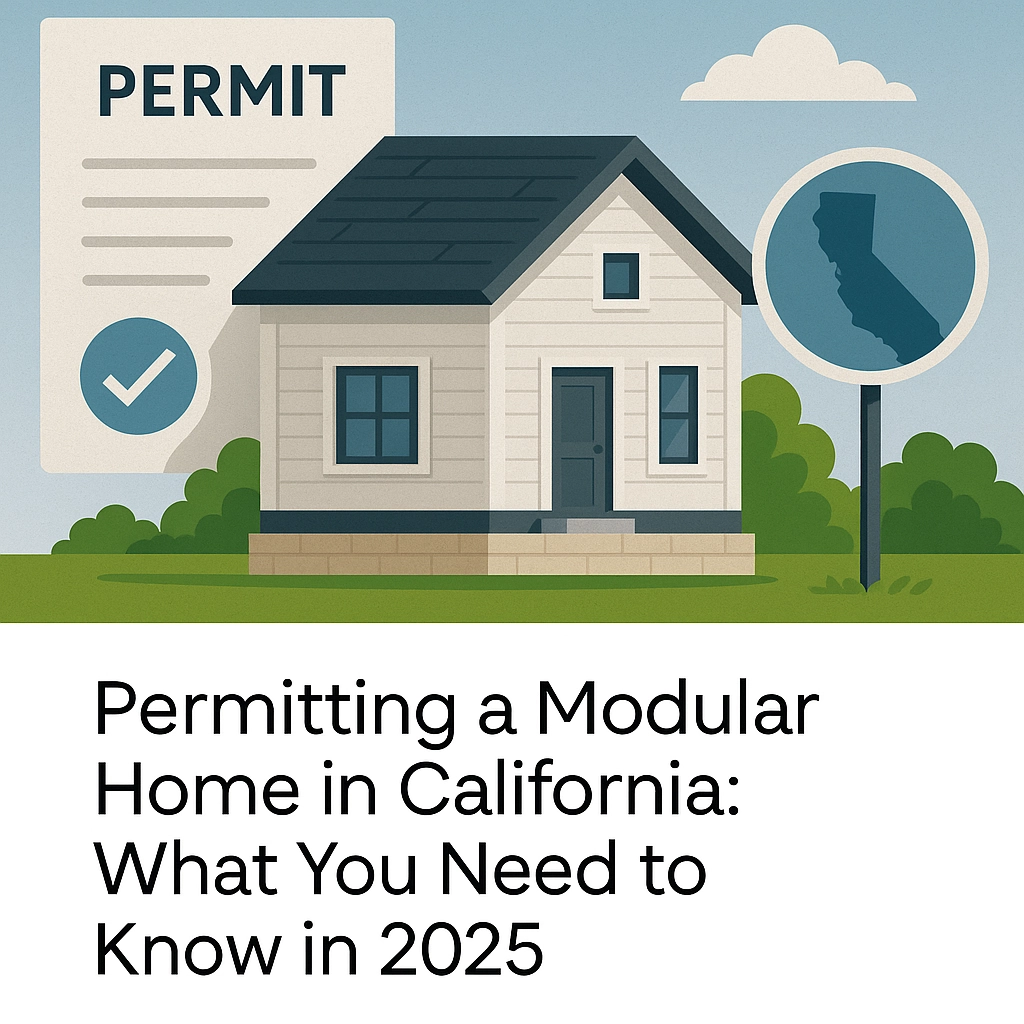
November 1, 2025
If the idea of dealing with permits makes you anxious, you’re not alone.
For many homeowners, builders, and developers in California, the modular home permitting process can feel overwhelming, especially when navigating local building code requirements, multiple inspections, and unclear rules around what documents to submit. When you add terms like factory-built, permanent foundation, or accessory dwelling units, the process can feel even more confusing.
At Cutting Edge Homes, we’ve worked with building departments across the state, from major cities to rural counties. We understand how to simplify this step, minimize delays, and help you move from concept to installation with confidence. In this guide, we’ll explain how modular home permits in California really work and how we help you every step of the way.
Let’s walk through it together.
Design, layout, and finishes often steal the spotlight. But building permits are what truly keep your project on track, legal, and safe.
Without approval from the right permitting office, your entire housing project can be delayed, or worse, denied. Unlike mobile homes or tiny homes, modular homes must meet California’s state and local building department codes. That includes fire access, utility installation, zoning setbacks, and more.
Getting this wrong can lead to extra costs, scheduling conflicts, and lost time. That’s why we prioritize this step early, saving you money, stress, and uncertainty.
Modular homes are reviewed and approved at two levels:
The California Department of Housing and Community Development (HCD) is responsible for regulating factory-built housing like modular homes. The structural components of your home are built in a controlled factory environment and approved for statewide use before they ever arrive on your property.
Even though the home is built to meet state building codes, your local building department still has to approve the site-specific elements.
These include:
So while your home is compliant at the state level, the county or city determines whether it’s ready for installation on-site.
When you build modular, much of the hard work is done upfront.
Each module is engineered and built in a factory, following building codes identical to those used for site-built homes and residential dwellings. These aren’t manufactured homes under the HUD code; they’re modular structures treated like any real property and placed on a permanent foundation.
This means you don’t need to submit plans for every component. You can skip approvals for:
You’ll still need to get approval for site-specific parts of the construction:
Because these homes are built and reviewed in the same manner as stick-built homes, just off-site, your overall installation time and risk of construction delays are significantly reduced.
Even though your modular components are pre-approved, the local building department will still conduct site inspections.
After delivery to the site, inspectors evaluate:
They ensure that your construction meets all compliance and safety requirements, tailored to your exact location and circumstances. Missing documents, misaligned foundation, or blocked access routes can trigger resubmission or delay your approval.
Here are some of the most common reasons building permits get delayed and how Cutting Edge Homes helps you avoid them:
We ensure your paperwork is complete, from foundation drawings to city zoning documents.
Submitting to the wrong office is a common error. We double-check whether your project falls under county or city rules before we submit.
Your modular components must match the on-site foundation. We coordinate both sides to avoid rejection or inspection delays.
Limited access to the site for cranes, trucks, or emergency services can delay installation. We evaluate this upfront and adapt your installation plan.
With our permit support, you won’t have to figure it out alone. We manage the forms, the process, and the follow-ups with building departments on your behalf.
Here’s how our team supports you from start to finish:
This end-to-end support ensures your modular home permits California process runs smoothly, and saves you time, stress, and money.
Securing modular home permits in California doesn’t have to be stressful or complicated. With the right guidance and experience, it’s a manageable step in your homeowner journey.
At Cutting Edge Homes, we’ve supported hundreds of clients, from first-time owners to seasoned developers, with modular projects across California. We handle everything: from plan review to coordination with your contractor, from working with county agencies to clearing your final inspection.
If you’re planning to build, purchasing land, or ready to install your dream dwelling, we’re here to help you complete the process with clarity and peace of mind.
Let’s simplify your permitting process, contact us today.
November 16, 2026
Adding an ADU in California generally increases property taxes, but doesn't usually trigger a full reassessment. Here's the mechanism and a hypothetical.
Read more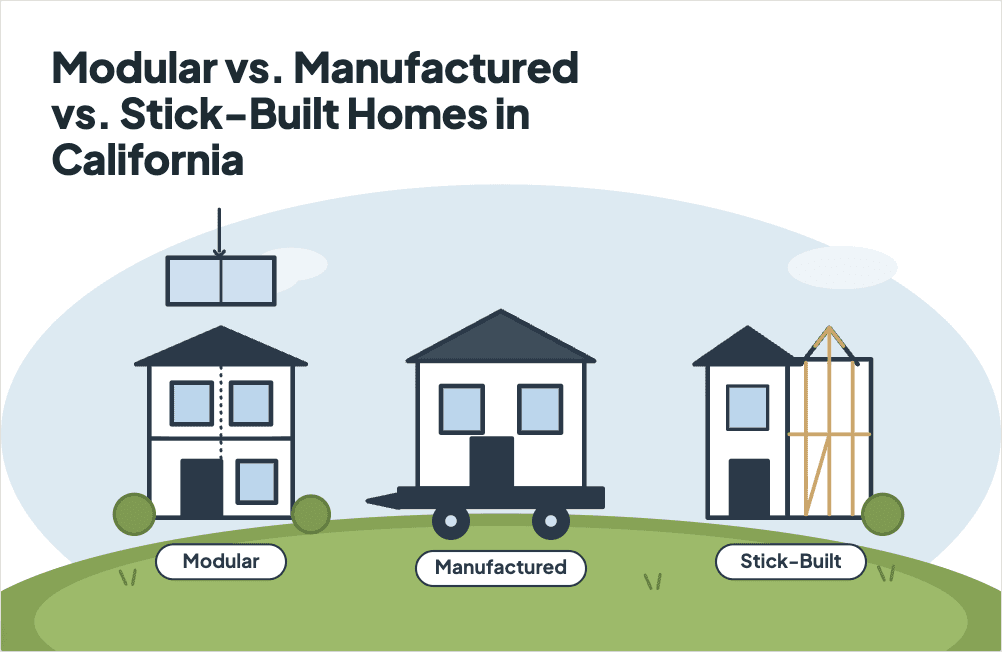
June 18, 2026
California homeowners now have three legal ways to add a second unit on a single-family lot — and they are not interchangeable. A JADU, an attached ADU, and a detached ADU each have different size limits, occupancy rules, and cost profiles. Pick the wrong one and you can stall a permit or spend tens of […]
Read moreJune 18, 2026
In California, “modular,” “manufactured,” and “stick-built” are three legally distinct categories of permanent housing — and confusing them costs buyers tens of thousands of dollars, or a lender’s no. Most national comparison articles get the broad strokes right but miss what matters most to California buyers: HCD vs. HUD, Title 24, Chapter 7A, and the […]
Read more