Thinking about placing a modular home on your property in California? Before you move forward, there are a few critical things to verify. While modular homes offer faster timelines and better build quality, they still need to comply with state and local rules—and your land needs to be suitable.
This checklist walks you through the 6 essential items to confirm before starting the modular process.
1. Zoning Compatibility
Not all land parcels are zoned for residential use, and even residential parcels may have restrictions on modular construction.
- Check with your local planning department for zoning designation (R1, RR, etc.)
- Confirm that factory-built modular homes (built to California Building Code) are allowed
- Ask about minimum square footage, height limits, or design restrictions
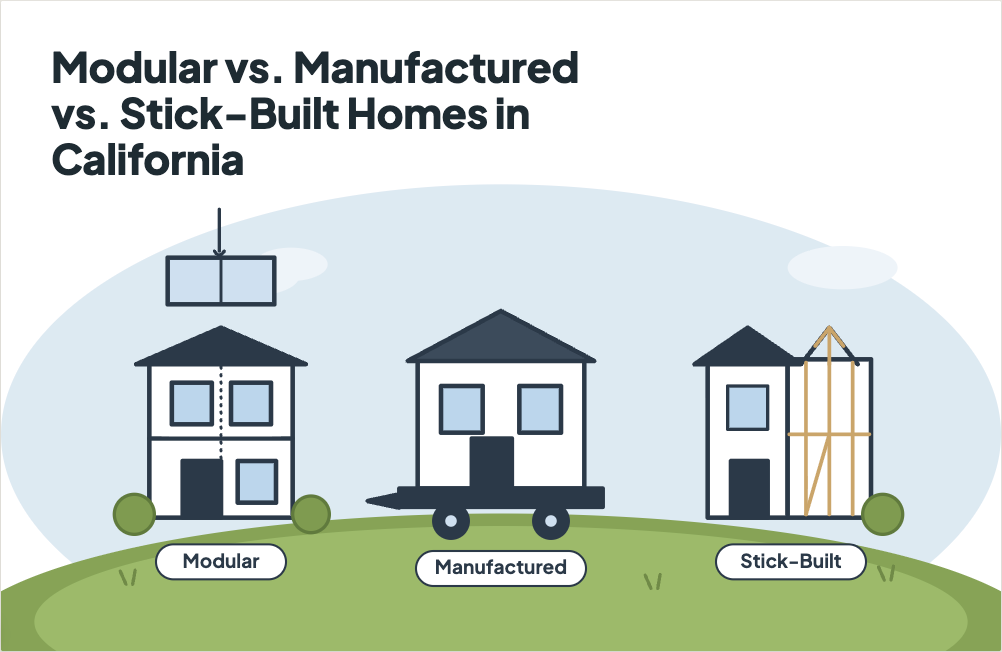
Tip: Modular homes are not the same as HUD-code manufactured homes (mobile homes) and should be presented accordingly when speaking to the city or county.
2. Access for Delivery & Crane
Modular homes are delivered in large sections that require:
- Wide, unobstructed roads leading to the property
- Enough room for a flatbed truck and crane to maneuver
- Clearance from power lines, trees, or fences
If access is tight or on a slope, your delivery may require special equipment or additional planning.
3. Slope, Soil & Grading Conditions
Modular homes must be installed on a code-compliant permanent foundation. The condition of your land plays a big role:
- Is the site relatively flat or will it need grading?
- Will retaining walls or extra excavation be needed?
- Have you done a soil report or geotechnical study?
CEH can help coordinate these evaluations during the feasibility phase.
4. Utility Availability
Make sure your lot has access to:
- Water (public or well)
- Power (overhead or underground)
- Sewer or septic
You’ll also want to verify setback distances for utilities and ensure there are no easements that limit where you can build.
Bonus: Modular homes often require less on-site work than traditional builds, but utilities still need to be prepped properly.
5. Permit Path & Jurisdiction
Who issues your permits? It depends on your location:
- Incorporated areas: City Planning/Building Dept
- Unincorporated areas: County Planning/Building Dept
Even though your home will be built to state code (HCD-approved factory), your site prep and foundation will be reviewed and permitted locally.
CEH works in counties and cities across California and will guide you through the local requirements.
6. Parcel Size & Buildable Area
Even if your land is zoned correctly, that doesn’t guarantee you can build what you want.
Things to confirm:
- Minimum parcel size requirements
- Setbacks from property lines, easements, and roads
- Building envelope after accounting for slope, trees, and drainage
We recommend requesting a parcel map and preliminary site review before proceeding with design.
What If You Don’t Know the Answers?
No problem. At Cutting Edge Homes, we help clients evaluate their land and confirm everything above before moving into design and permitting.
- Site evaluations
- Access reviews
- Coordination with civil engineers and permit agencies
Our team will help you determine if your land is build-ready—and what needs to happen if it isn’t.
Final Thoughts
Modular construction moves fast, but it starts with the right foundation—literally and legally. Checking these 6 things early helps avoid costly surprises later.
Have land in California and want to know if it’s modular-ready? Contact Cutting Edge Homes for a feasibility consultation.